
Our Vision
A profitable, sustainable and resilient rural business sector.

Our Purpose
We genuinely care about supporting rural business families when they need it most, providing them with hope and direction for the future.

Our Values
Build Community
Work Compassionately
Influence with Credibility
Continually Improve
Empowering Rural Businesses, Strengthening Communities
At Rural Business Support (RBS), we are committed to building a profitable, sustainable and resilient rural sector by providing practical support to farmers, fishers, foresters, related small businesses and communities across South Australia and the Northern Territory.
We know that rural businesses face unique challenges—from economic uncertainty and environmental pressures to financial hardship and industry changes. Our programs are designed to provide expert guidance, financial counselling and strategic business support to help rural communities navigate adversity and build long-term resilience.

How We Make a Difference
RBS delivers the following range of programs designed to strengthen rural businesses and communities
- Rural Financial Counselling Service – Free, independent and confidential financial counselling for primary producers, fishers, foresters and rural related businesses in SA and NT.
- Small Business Financial Counselling Service – Free, independent and confidential support for small and family-owned businesses in rural, regional and remote South Australia and the Northern Territory.
- Landowner Information Service – Impartial information service for SA landowners navigating land access issues related to resources exploration, mining and quarrying projects.
- Industry Programs – Tailored initiatives that remove barriers to resilience, improve financial literacy and support long-term business sustainability.

Our Impact

Rural Communities Supported

Individuals Supported

Rural Families Supported
Rural Business Support Data – 1 July 2021 – 30 June 2025
Annual Reports
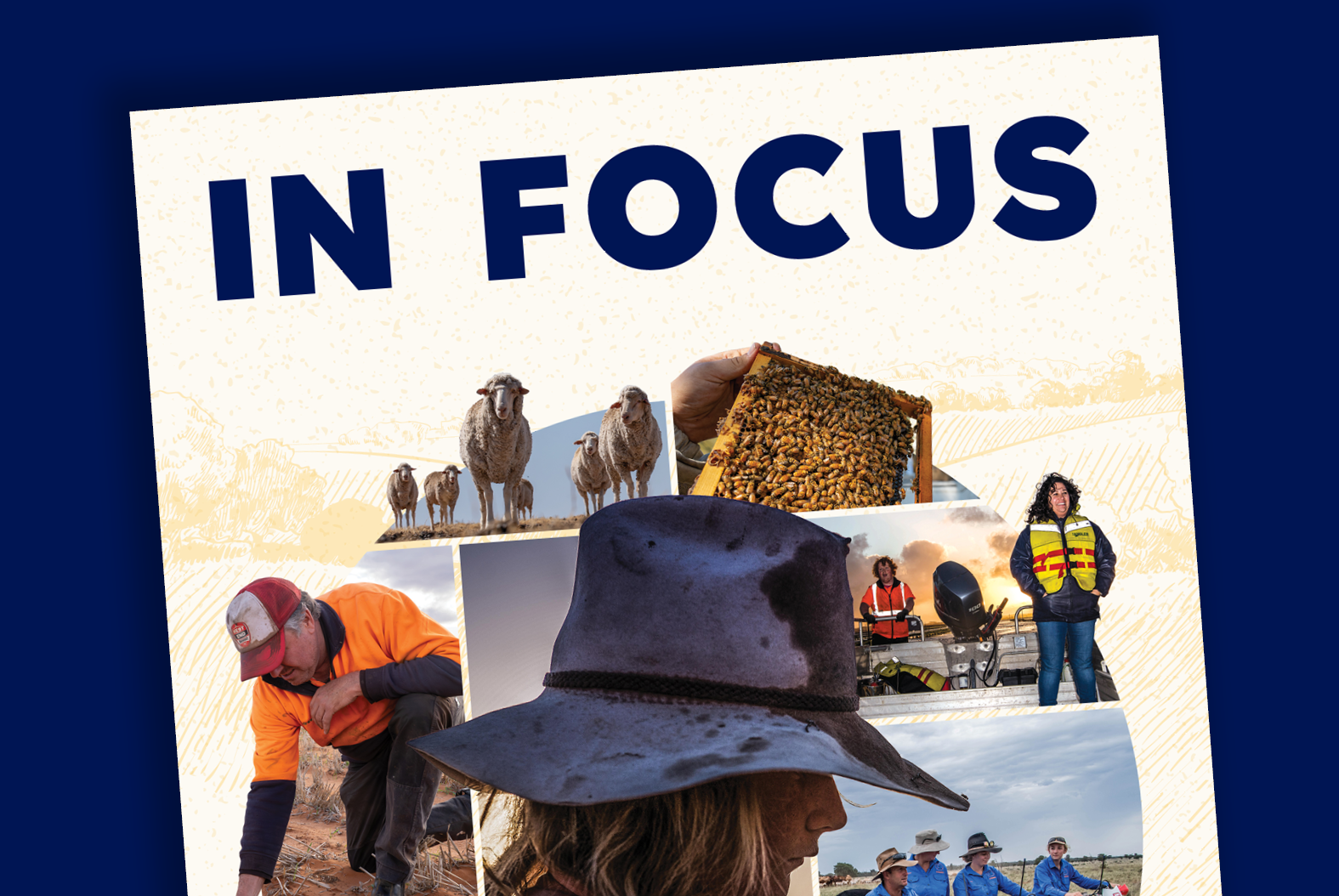
In Focus Review
2024-25
In Focus Review
2023-24
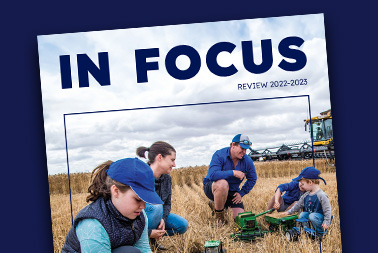
In Focus Review
2022-23

In Focus Review
2021-22
The history of RFCS and Rural Business Support
RBS is committed to standing beside rural businesses and communities, helping them overcome financial hardships, adapt to change and build long-term resilience. Our journey began with a simple but powerful mission: to ensure that rural families have the support, knowledge and resources they need to make informed financial decisions and secure a sustainable future.
- 1986 – 2005 The Beginning:
- 2006 – 2009 The Transition:
- 2010 – 2019 Expanding our Impact:
- 2020 – 2021 A Time of Crisis:
- 2022 – Present:
Responding to hardship
- The Rural Financial Counselling Service (RFCS) was established nationally in 1986, funded by the Australian Government in response to widespread financial hardship across rural communities. At the time, drought, falling commodity prices and high interest rates placed significant pressure on farming families and rural businesses.
- Early delivery of the service was community-based, with financial counselling provided through locally managed organisations in the regions experiencing economic difficulty.
- Throughout the 1990s and early 2000s, the RFCS expanded across South Australia to 12 regionally managed services, providing support primary producers and rural enterprises to better understand their financial position and make informed decisions.
Building a Statewide Service
- In 2006, the delivery of the Rural Financial Counselling Service (SA) transitioned to a single, statewide model under revised Australian Government funding arrangements.
- In the same year Rural Financial Counselling Service South Australia became an incorporated association, strengthening governance and positioning the organisation for future growth.
- During the peak of the Millennium Drought (2007–2009), demand for financial counselling increased significantly, and the number of Rural Financial Counsellors grew from 12 to 21 to meet the needs of farming families across the state.
Establishing and growing RBS
- In June 2011 the Rural Financial Counselling Service South Australia became Rural Business Support Service Incorporated.
- In September 2011 Rural Business Support Service Incorporated became an Australian Registered Body, enabling it to expand into the Northern Territory, initially providing business support and rural financial counselling to businesses impacted by the temporary suspension of the live cattle trade to Indonesia.
- In December 2012 Rural Business Support Service Incorporated was registered as a charity and became a Public Benevolent Institution (PBI) in March 2015.
- Around this time, the RBS Board also approved the concept of what would later become the RBS Relief Fund.
- Over the following decade, RBS continued to expand its service delivery, becoming known for practical, independent and confidential support focused on improving financial understanding, supporting business planning and working alongside industry to help clients make informed decisions.
Bushfires and COVID-19
- In 2020, in response to the combined impacts of prolonged drought, bushfires and the COVID-19 pandemic, RBS launched two major pilot programs:
- Regional Small Business Support Program – providing specialist financial guidance to small and family-owned businesses, including main street enterprises, funded by the Australian, South Australian and Northern Territory governments.
- Landowner Information Service – supporting landowners to understand land access, rights and responsibilities in relation to mining, exploration and emerging energy developments in South Australia, funded by the South Australian Government.
- During this period of unprecedented demand, RBS staffing increased to more than 50 staff, operating across 12 regional offices in South Australia and the Northern Territory.
- In August 2021, the Landowner Information Service secured full funding for a further three years.
- In November 2021, the Small Business Financial Counselling pilot was extended in recognition of strong demand and impact.
Strengthening Support for the Future
- In July 2022, the RBS Relief Fund was formally launched with Deductible Gift Recipient (DGR1) status, providing practical financial assistance for essential household and business needs during times of hardship.
- Following the 2022 Murray River flood event, the Regional Small Business Support Program (which concluded in 2023) provided a strong foundation to continue delivering Small Business Financial Counselling services along the Murray River, funded by the South Australian Government.
- Philanthropic partnerships, including support from the MAZDA Foundation and the Wyatt Trust, enabled RBS to continue delivering Small Business Financial Counselling services across South Australia and the Northern Territory.
- In 2023, the RBS Relief Fund delivered its first round of grants, supporting South Australian farming families with everyday essentials such as groceries, fuel and school costs.
- The Landowner Information Service expanded to support emerging hydrogen and renewable energy developments under updated legislation introduced in November 2024.
- In 2024, demand for Rural Financial Counselling increased significantly, driven by drought and compounding pressures including rising costs, industry adjustment and tighter lending conditions.
- Additional support for the Small Business Financial Counselling program was introduced in response to drought and the harmful algal bloom event impacting regional communities, with funding from the South Australian Government.
- The RBS Relief Fund continued to deliver philanthropic and industry-funded support programs, alongside the introduction of South Australian Government Rural Support Grants in 2025.
- In 2026, Rural Business Support marks 20 years of delivering the Rural Financial Counselling Service in South Australia, recognising two decades of supporting farming families through drought, industry disruption and economic uncertainty.
Looking Ahead
RBS has always been, and always will be, focused on helping rural people and their families. We are constantly exploring new ways to expand our programs and services, strengthen our partnerships and deliver real, practical solutions for businesses navigating financial and operational challenges.
As the economic, environmental and technological landscape changes, one thing remains certain: RBS will continue to stand beside rural businesses, supporting them through uncertainty and helping them build a stronger, more secure future.
We’re here to support you, because when rural businesses thrive, rural communities do too.